When Is Easter Sunday 2026
Live Countdown to April 5, 2026
Real-time countdown to Christianity's holiest celebration!

Decorated Eggs
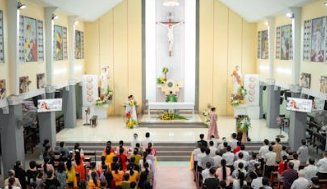
Church Service

Spring Blooms

Family Celebration
2026 Celebration Date and Planning Guide
Quick Answer: Easter Sunday 2026 falls on April 5th. This date is determined by ancient calculations - the first Sunday after the first full moon occurring on or after the spring equinox (March 21). Our live timer above shows exactly how many days remain until this important Christian celebration.
Understanding when this holy day occurs helps families coordinate religious observances, plan gatherings, and prepare meaningful celebrations. Unlike fixed-date holidays, the date follows a lunar calendar established by the Council of Nicaea in 325 AD. This means the celebration shifts annually, landing anywhere between March 22 and April 25.
- Ash Wednesday: February 18, 2026 (start of Lent)
- Palm Sunday: March 29, 2026
- Holy Thursday: April 2, 2026
- Good Friday: April 3, 2026
- Easter Sunday: April 5, 2026
- Easter Monday: April 6, 2026
Understanding the Changing Date
The date calculation combines solar and lunar calendars. Early Christians wanted the celebration to align with Passover timing while ensuring it always fell on Sunday (the day of resurrection). The formula considers the spring equinox and lunar phases, creating a date that honors both astronomical events and biblical tradition.
The Calculation Method
The date occurs on the first Sunday following the Paschal Full Moon (the first full moon on or after March 21). In 2026, this calculation places the celebration on April 5th - a mid-range date within the possible window.
Western vs. Orthodox
Western Christians (Catholic, Protestant) use the Gregorian calendar, while Orthodox Christians follow the Julian calendar. This creates different dates most years, though both commemorate the same resurrection event.
Historical Significance
Over 2.4 billion Christians worldwide observe this as their faith's most important holy day. The resurrection narrative forms the foundation of Christian theology and hope for eternal life.
Planning Your April 5th Celebration
Successful celebrations combine spiritual preparation with practical planning. Whether hosting a large family gathering or attending services, advance organization reduces stress and enhances the meaning of this sacred season.
6-8 Weeks Before (Mid-February)
Spiritual Preparation: Ash Wednesday (February 18) marks the beginning of Lent, a 40-day period of reflection and preparation. Many Christians adopt Lenten practices like fasting, increased prayer, charitable giving, or specific devotional readings. Consider what spiritual disciplines will deepen your observance.
Guest Planning: Finalize who's attending celebrations. Send invitations for brunch or dinner gatherings. Coordinate with extended family about service attendance, meal timing, and any overnight guests requiring accommodations. Early planning secures everyone's participation.
4 Weeks Before (Early March)
Menu Development: Traditional meals feature ham, lamb, or other spring proteins. Popular sides include asparagus, deviled eggs, hot cross buns, spring salads, and scalloped potatoes. Desserts often include carrot cake, lemon bars, or decorated sugar cookies. Consider dietary restrictions and create a balanced menu.
Shopping Strategy: Purchase non-perishable items and decorations. Supplies appear in stores by late February. Buy plastic eggs, egg dyeing kits, basket materials, and decorative elements. Order specialty items like heritage hams or unique wines early to ensure availability.
2 Weeks Before (Late March)
Home Preparation: Deep clean if hosting. Set up decorations - pastel colors, spring flowers (lilies, tulips, daffodils), and symbolic items like crosses or religious artwork. Plan table settings and ensure adequate seating, serving dishes, and kitchen space for meal preparation.
Activity Planning: If hosting children, plan egg hunts with age-appropriate hiding spots. Prepare craft activities like egg decorating or bunny-themed projects. Consider sunrise service attendance, which many churches offer as special morning worship.
Final Week (March 29 - April 4)
Fresh Ingredient Shopping: Purchase perishables 2-3 days before the celebration. Buy fresh produce, dairy, meats, and flowers close to the date for maximum freshness. Confirm final headcounts and adjust quantities accordingly.
Advance Cooking: Many dishes can be partially prepared ahead. Bake rolls and desserts on Saturday. Prep vegetable sides, make casseroles ready to pop in the oven, and prepare egg dishes for quick assembly. This reduces Sunday morning stress significantly.
Brunch Ideas
Popular brunch items include quiches, frittatas, breakfast casseroles, French toast bakes, fruit salads with honey-lime dressing, yogurt parfaits, mimosas, and coffee cake. Prepare most dishes Saturday evening for easy Sunday morning hosting.
Traditional Dinner Menu
Classic dinners feature glazed ham (15-20 minutes per pound at 325°F), roasted lamb, or turkey. Serve with spring vegetables, dinner rolls, multiple sides, and festive desserts. Plan for 1 pound of meat per person.
Kid-Friendly Activities
Beyond egg hunts, try resurrection garden crafts, story reading, decorating wooden crosses, planting spring flowers, or baking and decorating cookies shaped like crosses, lambs, or bunnies.
Traditions Around the World
While the core meaning remains constant, global celebrations showcase beautiful cultural diversity. Different countries have developed unique traditions that blend Christian faith with local customs and regional heritage.
European Customs
Germany: Markets rival Christmas markets in popularity. Germans decorate trees with painted eggs, enjoy bonfires symbolizing Christ's triumph over darkness, and children search for gifts left by the Hare (Osterhase). Traditional foods include lamb-shaped cakes and special bread.
Greece: Orthodox celebrations feature midnight services with candlelit processions. At midnight Saturday, congregations proclaim "Christ is Risen!" and light candles from the Paschal flame. Sunday feasts include roasted lamb, tsoureki (sweet bread), and red-dyed eggs representing Christ's blood and resurrection.
Poland: Śmigus-Dyngus (Wet Monday) follows the holiday, where people playfully sprinkle water on each other. Holy Saturday brings basket blessings at church - families fill baskets with foods to be blessed and eaten Sunday morning. Traditional foods include żurek (sour rye soup), babka (yeast cake), and decorated eggs.
American Traditions
The United States blends religious observance with secular festivities. Church attendance peaks on Sunday morning, with many families attending sunrise services followed by breakfast. The White House Egg Roll, dating to 1878, remains a beloved tradition. Community egg hunts, parades, and family brunches characterize American celebrations.
Baskets filled with candy, small toys, and decorated eggs await children Sunday morning. Many families photograph children in special outfits - a tradition rooted in the custom of wearing new clothes symbolizing spiritual renewal. Ham dinners gather extended families for afternoon feasts and quality time together.
Creating Your Family Traditions
The most meaningful celebrations combine established customs with unique family traditions. Consider starting new practices: annual family photos, specific service music, traditional recipes passed down generations, or charitable activities like volunteering at food banks. These personal traditions create lasting memories and deepen the day's significance.
Frequently Asked Questions
When is Easter Sunday 2026?
Easter Sunday 2026 is on April 5th, 2026. This date was calculated using the traditional formula: the first Sunday after the first full moon occurring on or after the spring equinox (March 21).
Why does the date change every year?
The celebration follows a lunisolar calendar combining solar years and lunar months. The Council of Nicaea (325 AD) established that it should fall on the first Sunday after the Paschal Full Moon. Since lunar phases shift relative to solar calendar dates, the date moves annually within a March 22 to April 25 window.
How do I plan a brunch?
Start planning 4-6 weeks ahead. Popular menu items include egg casseroles, quiches, fresh fruit, hot cross buns, ham, asparagus, and spring salads. Prepare casseroles and baked goods Saturday evening. Set the table and arrange serving areas ahead of time. Budget 45-60 minutes before guests arrive for final preparations and reheating dishes.
What is the significance of eggs?
Eggs symbolize new life and resurrection in Christian tradition. Ancient Christians dyed eggs red representing Christ's blood. The hard shell symbolizes the sealed tomb, while cracking it represents the resurrection. Today's egg hunts and decorating traditions evolved from these symbolic roots, creating family-friendly activities that reinforce themes of renewal.
When does Orthodox Easter 2026 occur?
Orthodox Easter 2026 falls on April 12th, one week after Western observance. The date difference occurs because Orthodox churches use the Julian calendar for calculation rather than the Gregorian calendar used by Western Christians. Despite different dates, both celebrations commemorate the same resurrection event.
Making April 5th Meaningful
Beyond elaborate meals and festive decorations, this holy day offers opportunities for spiritual renewal and family connection. The 40-day Lenten season provides time for reflection, repentance, and preparation that deepens the celebration's meaning when April 5th arrives.
Consider incorporating practices that honor both sacred and celebratory aspects. Attend Holy Week services (Palm Sunday, Holy Thursday, Good Friday) leading up to Sunday. Read resurrection accounts from the Gospels as a family. Discuss what renewal and new life mean in your personal context. Service projects during Lent connect faith with action.
For families with children, age-appropriate lessons help them understand beyond candy and egg hunts. Resurrection gardens with empty tombs, butterfly emergence symbolizing transformation, and spring planting activities all illustrate themes tangibly. Balance fun traditions with meaningful conversations about faith and hope.
As you use this countdown to track days until April 5th, 2026, remember that preparation itself enriches celebration. Each task completed - each prayer offered, each tradition planned, each conversation shared - builds toward a holiday that nourishes both soul and community. May your journey be filled with growing faith, deepening relationships, and joyful anticipation of celebrating Christianity's cornerstone truth: resurrection and eternal hope.